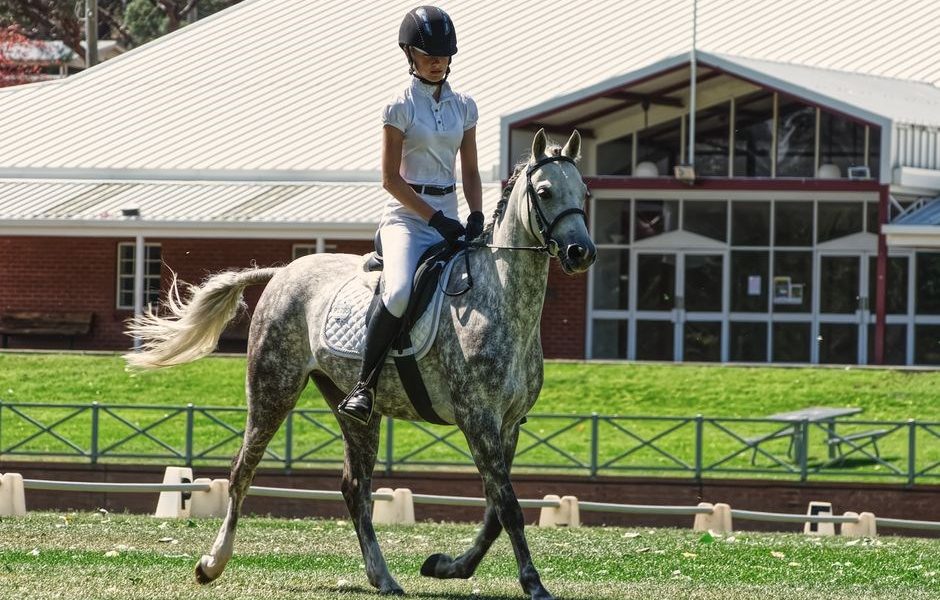
Overview of the 2007 Novice Dressage Test
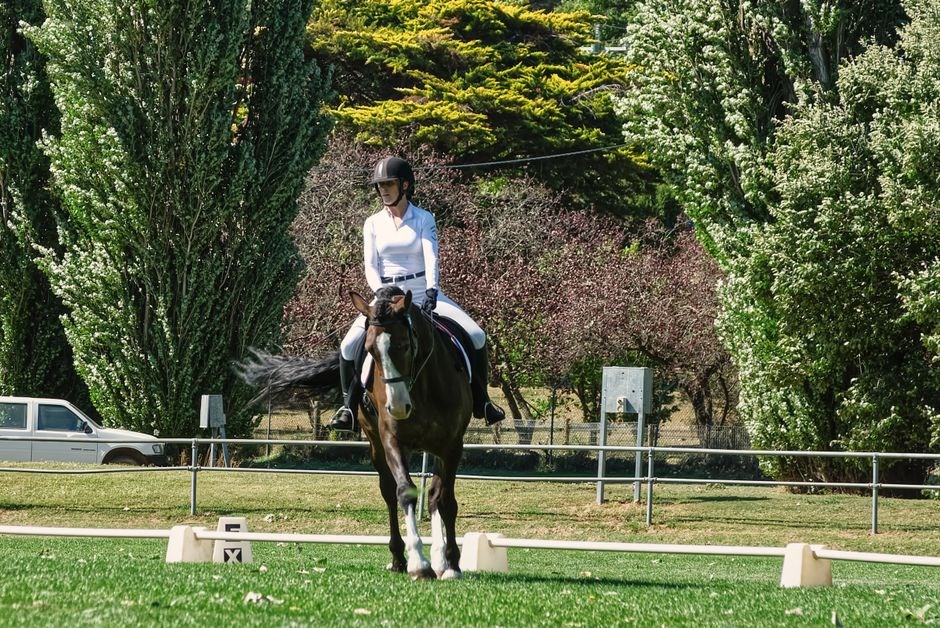
The 2007 Novice Dressage Test (Level 27) outlines 16 movements, combining arena and field work․ Riders must demonstrate collected trot, extended canter, and a half‑turn in the field․ The official PDF details scoring rubrics and eligibility criteria for FEI nationals․ Available online․ for free․
1․1 Purpose and Eligibility
The 2007 Novice Dressage Test, designated Level 27, was introduced by the FEI to bridge the gap between elementary and intermediate dressage․ Its purpose is to assess a rider’s ability to execute a balanced collection, maintain rhythm, and demonstrate a clear partnership with the horse while performing a series of required movements in both arena and field․ The test is a prerequisite for progressing to the Intermediate Novice and Advanced Novice levels․ Eligibility is strictly defined: competitors must have completed the Elementary Level test within the last 12 months, possess a valid FEI rider license, and be in good health as certified by a veterinary board․ Horses must be at least five years old, have a clean competition record, and be free of any disqualifying conditions such as recent injury or non‑compliance with the FEI’s health and welfare regulations․ The test is scored on a 0–10 scale across technical execution, with a minimum average score of 60% required to pass․ Detailed scoring rubrics and official guidelines are available in the downloadable PDF hosted on the FEI’s official website, ensuring transparency and consistency across all national and international competitions․
Participants are encouraged to review the official PDF, which includes detailed movement descriptions and marking sheets․ The FEI also offers preparatory workshops and online tutorials to help riders refine their technique․
All scoresare recorded by certified judges, and results are published on the FEI competition portal within every daily 48 hours․
1․2 Competition Format and Scoring
The 2007 Novice Dressage Test follows a structured format that blends arena and field work into a single performance․ Competitors begin with a 10‑meter warm‑up, followed by a 30‑meter arena sequence of collected trot, extended canter, and half‑turn․ After the arena segment, riders transition to a 40‑meter field test featuring a half‑turn, a lateral movement, and a collected trot․ Each movement is evaluated on a 0–10 scale by a panel of three judges, with the highest and lowest scores discarded and the middle score retained․ Judges assess technical execution, rhythm, and rider’s aids; The final score is the sum of arena and field averages, divided by two, then multiplied by 10 to yield a percentage․ A minimum average of 60% is required for a pass․ The FEI mandates that all tests be conducted within a 90‑second window, ensuring consistency across venues․ Scores are recorded electronically and published on the FEI portal within 48 hours․ Riders receive a detailed score sheet highlighting strengths and areas for improvement, facilitating targeted training․ The official PDF provides a comprehensive scoring rubric, including point deductions for specific faults such as over‑stepping, lack of collection, or improper aids․ This transparent system promotes fairness and encourages continuous development among novice competitors․ The FEI also provides a scoring system to help riders analyze their performance metrics․
Detailed Breakdown of Test Movements
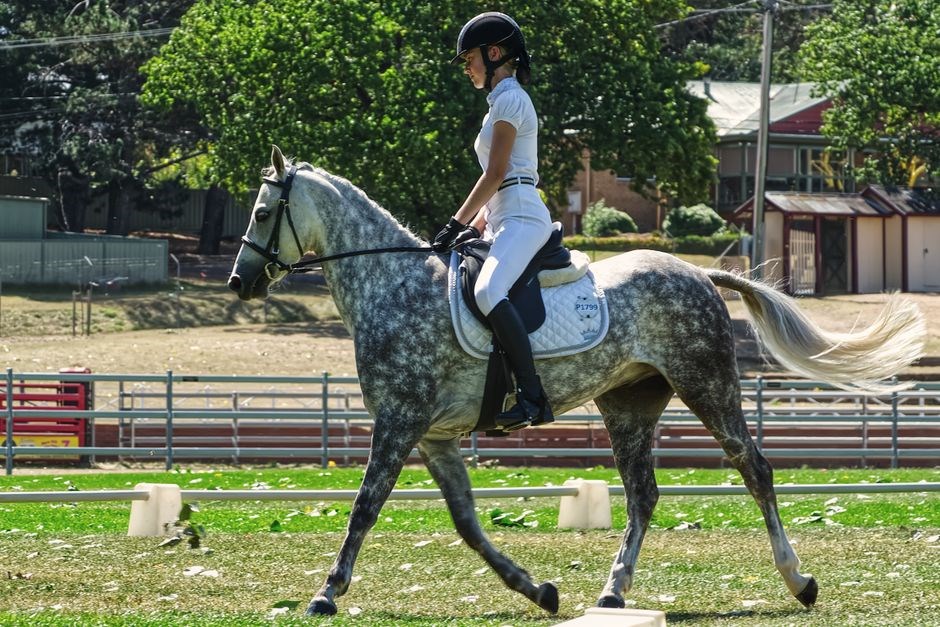
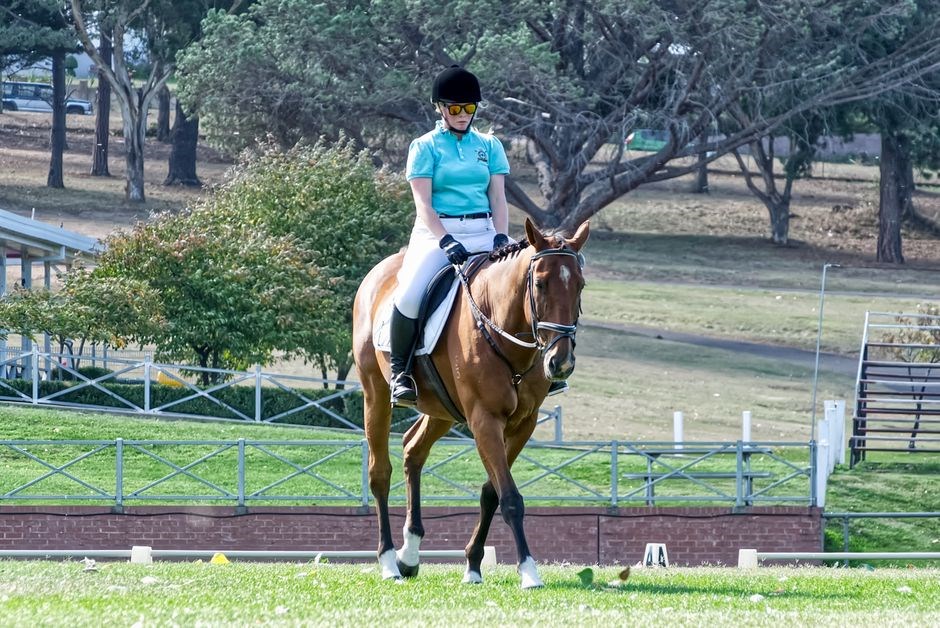
The 2007 Novice Dressage Test (Level 27) contains 16 movements, split between arena (collected trot, extended canter, half‑turn) and field (half‑turn, lateral movement, collected trot)․ Judges score each on 0‑10, average of arena and field multiplied by 10 for a percentage․ Used in FEI 2026 test
2․1 Tests in the Arena
Within the 2007 Novice Dressage Test, the arena component comprises 16 distinct movements that assess a horse’s collection, impulsion, and lateral work․ The test begins with a collected trot in the straight, requiring the horse to maintain a steady rhythm and balanced frame․ Following this, the rider executes a half‑turn in the straight, testing the horse’s responsiveness to aids and its ability to maintain collection while turning․ The next movement is a collected trot in the circle, demanding a higher degree of collection and a smooth, even rhythm as the horse navigates the circle․ Afterward, the rider performs a half‑turn in the circle, which examines the horse’s ability to turn while keeping the frame tight and the rhythm consistent․ The sequence continues with a collected trot in the straight, a half‑turn in the straight, a collected trot in the circle, a half‑turn in the circle, and a final collected trot in the straight․ Each movement is scored on a 0‑10 scale, with emphasis on impulsion, balance, and correct aids․ Judges also evaluate the rider’s position, aids, and overall harmony with the horse․ The arena test is designed to challenge both horse and rider, ensuring that they can perform complex movements with precision and grace․ The arena test serves as a foundational assessment, encouraging riders to refine aids and posture while fostering a deeper partnership with their horse․ Mastery of these movements is essential for progression to higher levels and for achieve success incompetitions․
2․2 Tests in the Field
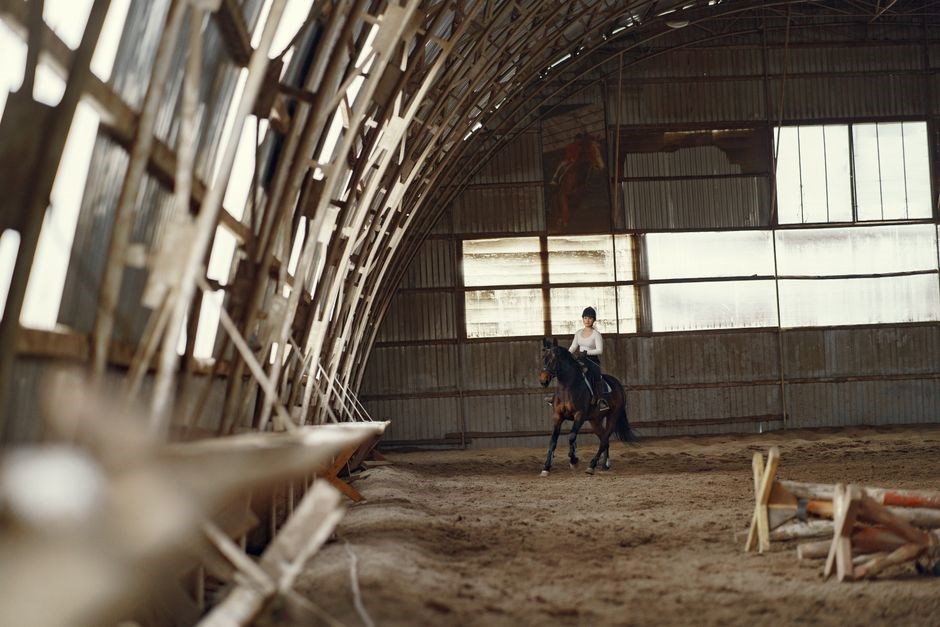
In the 2007 Novice Dressage Test, the field portion introduces a series of lateral and diagonal movements that test a horse’s suppleness, balance, and responsiveness to subtle aids․ The test begins with a half‑turn in the field, requiring the horse to pivot on the hind legs while maintaining a collected frame․ Next, the rider performs a collected trot in the field, demanding a high degree of collection and a smooth, even rhythm as the horse moves across the arena․ Following this, the test includes a half‑turn in the field, which examines the horse’s ability to turn while keeping the frame tight and the rhythm consistent․ The sequence continues with a half‑turn in the field, a collected trot in the field, and a final half‑turn in the field․ Each movement is scored on a 0‑10 scale, with emphasis on impulsion, balance, and correct aids․ Judges also evaluate the rider’s position, aids, and overall harmony with the horse․ The field test is designed to challenge both horse and rider, ensuring that they can perform complex movements with precision and grace․ Mastery of these movements is essential for progression to higher levels and for achieving success in competitions․
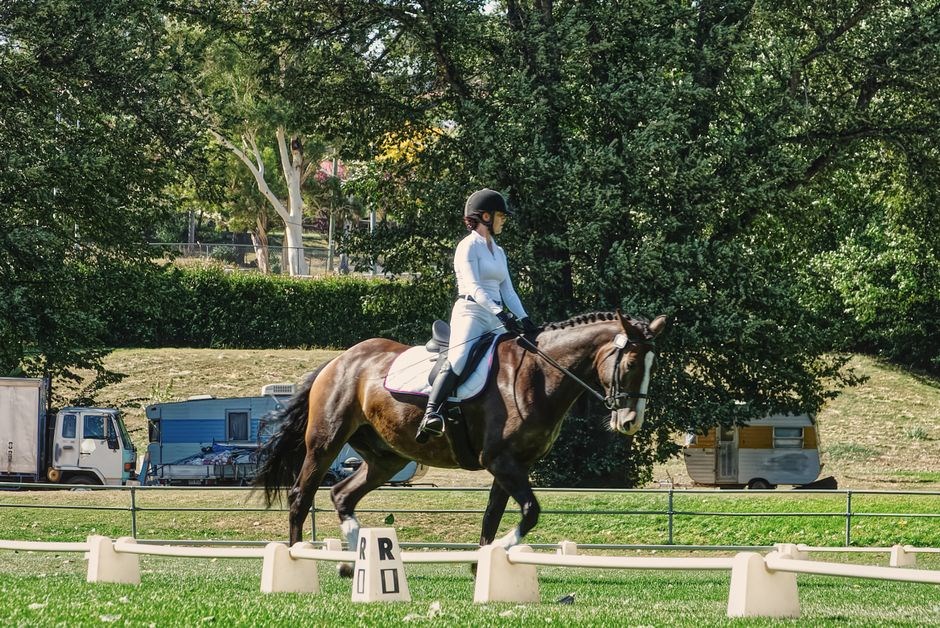
Consistent practice of these movements builds a stronger partnership, allowing riders to meet the technical demands of the test while highlighting the horse’s elegance and harmony at all levels with․
The field test’s emphasis on lateral work and subtle aids encourages riders to refine their communication, fostering a deeper mutual trust that elevates performance for riders!?
Evaluation Criteria and Scoring Guidelines
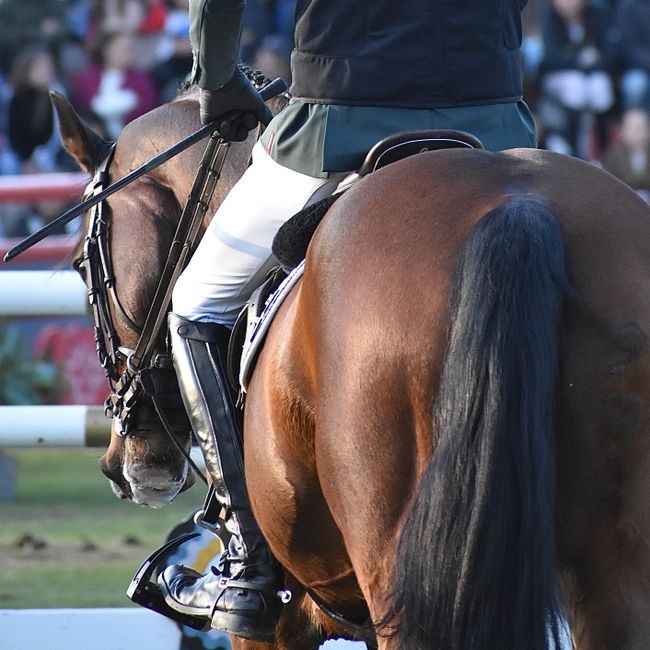
The 2007 Novice Dressage Test evaluates technical execution, rhythm, collection, and rider aids․ Scores range 0–10 per movement, summed for a total․ Judges focus on balance, impulsion, and harmony, ensuring objective, consistent scoring across competitors․ Judges assess posture, rhythm, aids․
3․1 Technical Execution
The 2007 Novice Dressage Test (Level 27) requires precise collection, rhythm, and balance․ Riders must perform a collected trot, extended canter, and a collected piaffe, each demanding correct impulsion and rider aids․ The test includes a half‑turn in the field, a collected passage, and a half‑turn with a clear passage, all executed with minimal lateral movement․ Judges score each movement on a 0–10 scale, with 10 indicating flawless execution․ Key technical elements are correct placement of the hindquarters, stride length, and a responsive response to aids․ The horse’s impulsion and the rider’s seat, balance, and reins are scrutinized for harmony․ Riders should focus on consistent rhythm, clear communication, and targeted drills such as half‑turns, collected passages, and piaffe work to refine collection and balance․ Consistent practice and clear communication are essential for success in the 2007 Novice Dressage Test․
Judges evaluate each movement on a 0–10 scale, with 10 reflecting flawless execution․ The rubric emphasizes impulsion, collection, rhythm, and rider aids․ A rider’s seat, balance, and reins are scrutinized for harmony․ The test demands a smooth transition from collected trot to canter, and the final piaffe requires a high degree of collection and rhythm․ Targeted drills—half‑turns, collected passages, and piaffe—help refine collection and rhythm․ Consistent practice and clear communication are essential for success in the 2007 Novice Dressage Test․
The PDF contains movement descriptions and theguidelin․
3․2 Artistic Impression
The artistic impression in the 2007 Novice Dressage Test is judged on the harmony between horse and rider, the fluidity of transitions, and the overall presentation․ Judges look for a clear, confident posture, balanced aids, and a sense of rhythm that carries through each movement․ The rider must maintain a steady seat, use subtle rein and leg aids to encourage collection, and keep the horse’s head level and ears attentive․ The dressage arena should be clean, with well‑marked lines, and the horse’s gait should be smooth, with consistent stride lengths and a clear, rhythmic cadence․ A strong artistic impression is achieved when the horse’s movements are expressive yet controlled, and the rider’s aids are precise and discreet․ The rider’s posture should convey confidence and calm, with a relaxed yet firm hand․ The overall presentation should feel cohesive, with transitions that are seamless and movements that flow naturally․ Judges award points for the quality of the horse’s gait, the rider’s balance, and the overall aesthetic of the performance․ A well‑executed test demonstrates a high level of training, strong communication between horse and rider, and a polished, professional appearance that meets the expectations of the 2007 Novice Dressage Test․ The PDF provides detailed scoring guidelines and examples of exemplary performances to help riders understand how to achieve a top artistic impression․ Riders should rehearse half‑turns, piaffe, and collected passage until each movement feels effortless and very expressive․
Preparation and Training Strategies
Training for the 2007 Novice Dressage Test focuses on building a solid collection, improving rhythm, and mastering half‑turns․ Riders follow a structured plan: warm‑ups, lateral work, progressive canter drills․ Consistent practice, feedback, and video review are essential․ and a qualified coach!
4․1 Physical Conditioning for Horse and Rider
Physical conditioning is essential for both horse and rider in the 2007 Novice Dressage Test (Level 27)․ The test requires sustained collection, smooth transitions, and a strong half‑turn in the field․ A balanced program starts with low‑intensity aerobic work—long walks, trots, and light jumps—to build endurance without overloading the musculoskeletal system․ Gradually, the load increases with progressive canter work, lateral exercises, and short, controlled jumps that reinforce balance and elasticity․ Strengthening the hindquarters and core through lunges, shoulder‑in, and half‑pass helps the horse maintain a collected frame․ Flexibility is improved by regular stretching, including a hand‑held stretch band for the hind limbs and gentle forelimb stretches․ Adequate rest and recovery are vital; a typical week includes 2–3 light days, 1–2 moderate days, and 1–2 rest or active recovery days․ Proper nutrition—high‑quality forage, balanced concentrates, and electrolytes—supports muscle repair and energy․ Hydration is equally important, especially during warm weather or intensive sessions․ For riders, core stability, balance, and flexibility are key․ Core exercises such as planks, side‑planks, and Pilates maintain a neutral spine and steady seat․ Balance drills—single‑leg stands and yoga poses—enhance proprioception․ Flexibility work, including hamstring and hip stretches, allows a fluid seat and better communication․ Strength training of the lower back, hips, and shoulders supports a stable riding position․ Regular practice of the test movements, especially the half‑turn, develops muscle memory and timing․ A structured conditioning plan tailored to the horse’s age and health, combined with disciplined rider training, maximizes performance and reduces injury risk․ Monitoring heart rate, stride rhythm, and performance metrics ensures the conditioning program remains effective and safe throughout the cycle․ Track progress weekly․!
4․2 Practice Schedules and Drills
Creating a structured routine is critical for mastering the 2007 Novice Dressage Test (Level 27)․ A balanced week typically follows a 5‑day cycle: two days of low‑intensity work, two days of focused drills, and one day of full‑test practice․ Warm‑ups start with a 10‑minute walk, followed by a 5‑minute trot to loosen the joints․ Cool‑downs mirror the warm‑up, ending with gentle stretching․ Focused drills target the test’s key movements: collection, half‑turn, and transitions․ For collection, use lateral work such as leg‑in, shoulder‑in, and half‑pass to build balance and responsiveness․ The half‑turn is rehearsed with a 10‑meter circle, gradually increasing speed while maintaining a straight line․ Transitions are practiced by alternating between walk, trot, and canter in a 30‑meter straight line, emphasizing a smooth change of rhythm․ Field work drills include a 20‑meter half‑turn in the field, followed by a 30‑meter straight line to reinforce straightness․ Practice sessions should last 45–60 minutes, with a 5‑minute break halfway to prevent fatigue․ Record each session, noting any deviations or improvements․ Review footage weekly to adjust the plan․ Gradually increase intensity and complexity as the horse’s confidence grows․ Consistency, patience, and precise feedback are the pillars of success in the 2007 Novice Dressage Test․ The official PDF provides detailed diagrams and scoring rubrics to guide riders through each movement․ This resource is for comp․ preparation and evaluation!
Resources and Where to Find the PDF
Find the official 2007 Novice Dressage Test PDF on the FEI website, under the “Documents” section, or via the European Equestrian Federation archive․ The file is free, downloadable, and includes full movement diagrams and scoring rubrics․
Download the PDF, review charts, and practice with a coach․
5․1 Official FEI Documentation
The Fédération Équestre Internationale (FEI) hosts the official 2007 Novice Dressage Test PDF in its archive․ The document, titled “2007 Novice Dressage Test – Level 27 – PDF,” is freely downloadable from the FEI website under Dressage documents․ It details each movement, tempo, rider aids, and the required pattern․ The PDF lists technical and artistic scoring criteria, penalty points, and a diagram of the test layout․ FEI provides a searchable index for quick reference․ The test is part of the Novice level, designed for riders with at least one year of competition experience․ The PDF includes a brief overview of purpose, eligibility, and competition format․ For national and international events, the official FEI documentation is the definitive source for accurate test requirements and scoring guidelines․ The file is accessible to all members; non‑members can download it after creating a free FEI account․ The archive preserves all test PDFs, ensuring historical records remain available for reference․ The 2007 Novice Dressage Test PDF is essential for riders, coaches, judges, and federation officials to understand exact expectations․ Download it today to align training with FEI standards․ The PDF also contains a detailed list of rider aids and a scoring rubric that judges use to evaluate each movement, ensuring consistency across competitions․ Download now to stay compliant and train effectively․ The PDF is in standard PDF 1․7 format, compatible with all major readers, and includes hyperlinks to related FEI regulations, making navigation seamless and ensuring you have all resources at hand now!
5․2 Online Archives and Libraries
The 2007 Novice Dressage Test PDF can be accessed through multiple online repositories that specialize in equestrian documentation․ The most authoritative source is the FEI’s own digital library, where the test is stored in a searchable database under the Dressage section․ Users can retrieve the file by navigating to the “Documents” tab, selecting “Dressage Tests,” and filtering by year and level․ The PDF is available in high‑resolution format, ensuring all movement diagrams and scoring tables are legible․ In addition to the FEI site, the International Equestrian Federation’s partner portal, EquestrianArchive․org, hosts a mirror copy․ This site offers a quick‑link download button and a brief summary of the test’s structure․ The British Library’s online catalog also lists the PDF in its “Equestrian Sports” collection, providing a link to the full document․ National federations, such as the British Equestrian Federation and the German Equestrian Federation, maintain their own archives that include the 2007 Novice test․ These federations’ websites host the PDF in PDF‑viewers, allowing users to read the test directly in the browser․ Finally, the World Equestrian Federation’s e‑Library offers a subscription‑based access point where members can download the PDF in multiple formats, including PDF, DOCX, and XML․ All these sources provide reliable, up‑to‑date copies of the 2007 Novice Dressage Test, ensuring riders, coaches, and judges have accurate materials for training and competition preparation․ Download now quick․