
Book of Acts Timeline PDF: A Comprehensive Guide
Discover a detailed exploration of early Christian history through readily available Book of Acts timeline PDFs, charting pivotal events and Paul’s journeys․
The Book of Acts, a cornerstone of the New Testament, chronicles the birth and expansion of the Christian church following Jesus’ ascension․ Often called the “Gospel of the Holy Spirit,” it details the apostles’ mission to spread the gospel from Jerusalem to Rome․ Understanding the chronological flow of events within Acts is crucial for grasping its narrative power and theological significance․
A Book of Acts timeline PDF serves as an invaluable tool for navigating this historical account․ It visually organizes key events – from Pentecost and Peter’s early ministry to Paul’s missionary journeys and eventual imprisonment․ These timelines help contextualize the stories, revealing the rapid growth and challenges faced by the early believers․ They illuminate the geographical scope of the gospel’s spread and the interplay between various figures like Philip and Cornelius․
Utilizing a timeline enhances comprehension, allowing readers to trace the development of Christian doctrine and practice during this formative period․
Why Use a Timeline for Studying Acts?
Studying the Book of Acts benefits immensely from utilizing a timeline PDF․ Acts isn’t simply a collection of stories; it’s a historically sequenced narrative․ A timeline visually represents this sequence, clarifying the relationships between events and preventing confusion about the order of occurrences, like Stephen’s martyrdom preceding Paul’s conversion․
PDF timelines aid in grasping the geographical progression of the gospel, mapping Paul’s journeys and the establishment of early churches․ They highlight the timeframes involved, demonstrating the speed at which the message spread․ Furthermore, timelines help identify recurring themes and patterns within Acts, such as the consistent opposition faced by early Christians․
By providing a clear overview, a timeline enhances retention and fosters a deeper understanding of the historical and theological context of the book․ It’s a powerful tool for both individual study and group discussions․

Early Church History & Key Events
Explore the foundational moments of Christianity, meticulously documented in Acts, using timeline PDFs to trace the church’s birth and initial expansion․
The Ascension of Jesus (Acts 1:9-11)
Visualize this pivotal event with a Book of Acts timeline PDF, marking Jesus’s departure from Earth forty days after His resurrection․ Acts 1:9-11 details His ascension into heaven before the eyes of His disciples, a promise of His return echoing through history․
Timeline PDFs effectively illustrate the chronological placement of the Ascension, setting the stage for the Holy Spirit’s descent at Pentecost․ Understanding this sequence is crucial for grasping the narrative flow of Acts․ Resources often depict the event with accompanying artwork or maps showing the Mount of Olives location․
PDFs help connect the Ascension to Jesus’s final instructions to His followers – to be witnesses in Jerusalem, Judea, Samaria, and to the ends of the earth – a mission that drives the entire book․ This event is the catalyst for the church’s empowerment and expansion․
The Day of Pentecost (Acts 2:1-41)
Explore the dramatic arrival of the Holy Spirit on the Day of Pentecost, vividly depicted in Acts 2:1-41, using a comprehensive Book of Acts timeline PDF․ These resources highlight the event occurring fifty days after Jesus’s resurrection, marking the birth of the Church․
Timeline PDFs showcase the miraculous outpouring of the Spirit, evidenced by the sound like rushing wind and tongues of fire appearing above the disciples․ The PDF’s chronological layout emphasizes the immediate impact: approximately three thousand people were baptized that day!
Visual aids within these PDFs often include maps of Jerusalem and illustrations of the scene, enhancing understanding․ The event’s significance – the empowerment of believers to preach the Gospel in different languages – is clearly illustrated, demonstrating the fulfillment of Jesus’s promise․
Peter and John Heal a Lame Man (Acts 3:1-26)
Delve into the powerful healing miracle performed by Peter and John, detailed in Acts 3:1-26, with the aid of a well-structured Book of Acts timeline PDF․ These PDFs illustrate the event occurring at the temple gate called Beautiful, where a man lame from birth was miraculously healed․
Timeline resources emphasize the significance of this healing as a demonstration of Jesus’s power and a catalyst for early preaching․ The PDF’s chronological presentation highlights Peter’s sermon following the healing, proclaiming repentance and faith in Jesus․
Visual elements within these PDFs often include depictions of the temple and the healed man, providing context․ The event’s impact – drawing a large crowd and leading to further encounters with authorities – is clearly shown, marking a pivotal moment in the early Church’s growth․

Stephen’s Martyrdom (Acts 6:8-8:1a)
Explore the tragic yet pivotal event of Stephen’s martyrdom, recounted in Acts 6:8-8:1a, using a comprehensive Book of Acts timeline PDF․ These resources detail Stephen’s powerful defense before the Sanhedrin, his accusations against them for resisting the Holy Spirit, and ultimately, his stoning․

Timeline PDFs effectively showcase the escalating opposition faced by early Christians․ They highlight how Stephen’s death, though devastating, sparked a wider dispersion of believers, spreading the Gospel beyond Jerusalem․
Visual aids within these PDFs often depict the scene of the stoning and emphasize the presence of Saul (later Paul) as a witness․ The timeline clarifies the immediate aftermath – the persecution of the church and the scattering of believers – setting the stage for Philip’s ministry․

The Spread of the Gospel
Trace the Gospel’s expansion beyond Jerusalem with Book of Acts timeline PDFs, illustrating key moments like Philip’s ministry and Paul’s conversions․
Philip and the Ethiopian Eunuch (Acts 8:26-40)
Explore this pivotal event within a Book of Acts timeline PDF, showcasing the Spirit’s guidance of Philip to intercept an Ethiopian eunuch reading Isaiah․ PDFs visually represent the eunuch’s journey, his questioning of the scripture, and Philip’s explanation of Jesus as fulfillment of prophecy․
Detailed timelines highlight the immediate baptism of the eunuch, signifying the Gospel’s reach beyond Jewish boundaries․ Resources often include maps illustrating the location along the road from Jerusalem to Gaza․ Timeline PDFs emphasize this as a landmark moment demonstrating God’s inclusive plan for salvation, extending to Gentiles․
Consider how PDF formats allow for cross-referencing with Old Testament prophecies, enriching understanding of this transformative encounter․ Visual aids within the timeline clarify the sequence of events and the significance of the eunuch’s conversion․
Saul’s Conversion (Acts 9:1-31)
A Book of Acts timeline PDF dramatically illustrates Saul’s radical transformation from persecutor to apostle․ PDFs often depict the sequence: Saul’s journey to Damascus, the blinding light, and his encounter with the resurrected Jesus․ Visual timelines emphasize the three days of blindness and fasting, highlighting the depth of his spiritual crisis․
Resources showcase Ananias’s obedience to God’s call to heal and baptize Saul, despite his prior reputation․ Detailed PDFs connect this event to Old Testament prophecies concerning a “chosen vessel” to bear Jesus’ name․ Timelines clarify the immediate impact – Saul’s preaching in the synagogues, confounding Jewish believers․
Explore how PDF formats allow for comparative study of Saul’s life before and after conversion, emphasizing the power of grace․ Charts within the timeline can illustrate the shift in Saul’s mission and identity․
Peter’s Vision and Cornelius (Acts 10:1-48)
Book of Acts timeline PDFs powerfully illustrate the pivotal moment of Peter’s vision – the descending sheet with unclean animals – and its significance for Gentile inclusion․ PDFs often visually connect this vision to Cornelius’s prayer and angelic visitation, emphasizing divine orchestration․ Detailed timelines highlight the geographical distance between Joppa and Caesarea, underscoring the extraordinary nature of the events․
Resources demonstrate how PDF formats clarify the cultural barriers Peter overcame, challenging Jewish dietary laws and prejudices․ Charts within the timeline showcase the Holy Spirit falling on Cornelius and his household, mirroring Pentecost․
Explore how PDFs emphasize this event as a turning point, opening the Gospel to all nations․ Visual aids within the timeline can depict the initial Jewish believers’ questioning of Peter’s actions and his subsequent explanation․
The Jerusalem Council (Acts 15:1-35)
Book of Acts timeline PDFs effectively depict the critical Jerusalem Council, addressing the debate over Gentile circumcision․ PDFs visually represent the key players – Peter, Paul, James, and John – and their differing viewpoints, clarifying the theological tensions․ Timelines highlight the sequence of speeches and deliberations, showcasing the council’s careful consideration of scripture․
Resources demonstrate how PDF formats illustrate the council’s decision: Gentiles were not required to adhere to Mosaic Law for salvation․ Charts within the timeline often outline the four decrees issued to Gentile believers, promoting unity․
Explore how PDFs emphasize the council’s role in solidifying the early church’s mission to all nations․ Visual aids within the timeline can depict the letter sent to the Gentile churches, communicating the council’s ruling․

Paul’s Missionary Journeys
Book of Acts timeline PDFs vividly map Paul’s extensive travels, detailing his three major journeys, key cities visited, and impactful sermons delivered․
Paul’s First Missionary Journey (Acts 13-14)
Book of Acts timeline PDFs meticulously document Paul’s inaugural missionary expedition (Acts 13-14), beginning in Antioch and traversing Cyprus․ These resources visually represent his preaching with Barnabas in Salamis and Paphos, confronting the sorcerer Elymas․
The timeline highlights their journey inland to Perga in Pamphylia, then to Antioch in Pisidia, where Paul’s sermon in the synagogue sparked both Jewish and Gentile interest․ Further travels took them through Iconium, Lystra, and Derbe, facing persecution and demonstrating miraculous healings․
PDF versions often include maps illustrating the route and key locations, alongside summaries of Paul’s teachings and the challenges encountered, providing a comprehensive overview of this foundational journey for spreading the Gospel․
Paul’s Second Missionary Journey (Acts 15:36-18:22)
Book of Acts timeline PDFs detail Paul’s second journey (Acts 15:36-18:22), initiated after the Jerusalem Council․ These resources chart his selection of Silas as a companion following a disagreement with John Mark․ The timeline illustrates travel through Syria and Cilicia, strengthening churches․
Key events highlighted include establishing a church in Philippi, facing opposition and imprisonment in Thessalonica, and engaging in reasoned discourse in Berea․ PDF versions often map his arrival in Corinth, where he spent eighteen months, working as a tentmaker and preaching extensively․
The timeline further showcases his journey to Ephesus and his return to Antioch, concluding this impactful period of ministry, all visually represented for enhanced understanding of the Gospel’s expansion․
Paul’s Third Missionary Journey (Acts 18:23-21:16)
Book of Acts timeline PDFs meticulously document Paul’s most extensive journey (Acts 18:23-21:16), beginning with a strengthening of the churches in Galatia and Phrygia․ These resources visually trace his prolonged stay in Ephesus, where significant ministry and miracles occurred, and the resulting unrest with Demetrius․
PDF versions highlight his travels through Macedonia and Greece, collecting offerings for the Jerusalem believers․ The timeline details his final journey towards Jerusalem, despite warnings of impending imprisonment․
Crucially, these timelines emphasize Paul’s interactions with various communities and his unwavering commitment to spreading the Gospel, culminating in his arrival in Jerusalem and subsequent arrest, all clearly mapped for study․

Paul’s Imprisonment and Journey to Rome
Book of Acts timeline PDFs illustrate Paul’s dramatic arrest in Jerusalem, his defenses before officials, and his eventual voyage towards Rome for trial․
Paul’s Arrest in Jerusalem (Acts 21:17-26)
Book of Acts timeline PDFs vividly depict Paul’s arrival in Jerusalem, greeted warmly by believers, yet immediately facing escalating tensions․ These resources highlight how false accusations spread, claiming Paul defiled the Temple by bringing Gentiles into its sacred courts․
The timeline details the ensuing riot, instigated by zealous Jews, and Paul’s subsequent arrest by the Roman commander, Lysias․ PDF versions often include maps illustrating the location of the Temple and the surrounding areas, aiding visualization․
These timelines emphasize that Paul’s arrest wasn’t a spontaneous event, but the culmination of mounting opposition․ They showcase how Paul’s commitment to spreading the Gospel to Gentiles fueled the conflict, leading to his imprisonment and setting the stage for his journey to Rome․
Paul’s Defense Before Felix (Acts 24:1-27)
Book of Acts timeline PDFs meticulously document Paul’s defense before Governor Felix in Caesarea․ These resources illustrate how Paul skillfully refuted the charges of inciting riots and desecrating the Temple, presenting a compelling case based on his faith and adherence to Jewish law․
PDF timelines often highlight key arguments from Paul’s speech, emphasizing his belief in the resurrection and the hope of eternal life․ They showcase Felix’s conflicted state – intrigued by Paul’s message yet hesitant to release him, likely fearing political repercussions․
These visual aids demonstrate how Paul’s imprisonment was prolonged due to Felix’s indecision, and how he remained under guard for two years, awaiting trial․ The timeline emphasizes the injustice of his detention and the challenges faced by early Christians․
Paul’s Appeal to Caesar (Acts 25:1-27)
Book of Acts timeline PDFs clearly illustrate Paul’s strategic decision to appeal to Caesar, recognizing the lack of a fair trial under Governor Festus․ These resources detail how Paul invoked his rights as a Roman citizen, bypassing the local jurisdiction and seeking judgment from the emperor himself․
PDF timelines often highlight the political motivations behind Festus’s willingness to send Paul to Rome․ He sought to appease the Jewish leaders while avoiding responsibility for a potentially controversial decision․ The timeline emphasizes Paul’s astute understanding of Roman law and procedure․
These visual guides demonstrate how this appeal marked a significant turning point, leading to Paul’s arduous journey to Rome and ultimately, his imprisonment there․ The timeline underscores Paul’s unwavering faith and determination to share the Gospel, even in the face of adversity․
Paul’s Voyage to Rome (Acts 27:1-44)
Book of Acts timeline PDFs vividly depict Paul’s perilous sea voyage to Rome, a journey fraught with storms and shipwrecks․ These resources detail the initial decision to sail despite warnings, highlighting the conflict between Paul’s divine guidance and the captain’s judgment․ The timeline illustrates the escalating dangers faced by all aboard․
PDF timelines often showcase the dramatic events of the storm – the relentless winds, the jettisoning of cargo, and the desperate prayers for survival․ They emphasize Paul’s calming presence and prophetic words, offering hope amidst chaos․ Visual aids pinpoint the ship’s route and the location of the eventual shipwreck on Malta․
These guides demonstrate how God miraculously preserved Paul and the other passengers, showcasing His power and protection․ The timeline underscores the resilience of faith during extreme hardship, ultimately leading to Paul’s arrival in Rome․
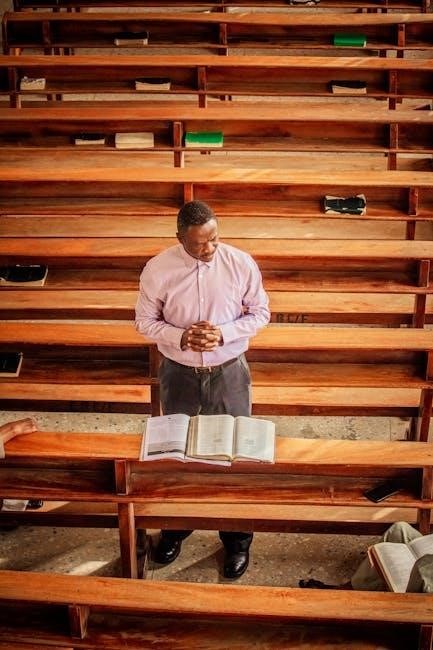
Paul in Rome
Book of Acts timeline PDFs detail Paul’s imprisonment in Rome, his house arrest, and continued ministry, impacting lives despite adversity․
Paul’s Imprisonment in Rome (Acts 28:16-31)
Book of Acts timeline PDFs meticulously chart Paul’s arrival in Rome as a prisoner, detailing his initial lodging under guard․ These resources highlight his request to speak to Roman officials, showcasing his desire to share the Gospel․
PDFs illustrate Paul’s two-year imprisonment, during which he wasn’t isolated; he received visitors and continued to preach the message of Jesus Christ․ They emphasize his freedom to live under guard and teach those who came to him․
Many timeline PDFs visually represent Paul’s unwavering faith and resilience during this period․ They often include details about his interactions with Jewish leaders in Rome and his defense of his faith․ The concluding verses of Acts, as presented in these PDFs, leave Paul’s fate open-ended, emphasizing the ongoing spread of the Gospel despite his circumstances․
The Final Years & Legacy

Book of Acts timeline PDFs often conclude with a discussion of the period following the narrative, acknowledging the lack of explicit detail regarding Paul’s ultimate fate․ These resources highlight traditional accounts suggesting his martyrdom in Rome under Nero’s persecution, though the biblical text doesn’t confirm this․
PDFs emphasize the enduring legacy of Paul’s missionary journeys and letters, which profoundly shaped Christian theology and practice․ They illustrate how his teachings on grace, faith, and the universality of the Gospel continue to resonate today․
Many timeline PDFs connect the events in Acts to the subsequent development of the early Church, demonstrating how Paul’s work laid the foundation for the spread of Christianity throughout the Roman Empire and beyond․ They underscore the lasting impact of his dedication and the power of the message he proclaimed․

Resources for Book of Acts Timeline PDFs
Explore numerous online PDF resources and websites offering detailed Book of Acts timelines, aiding in comprehensive Bible study and historical context․
Popular PDF Resources & Websites
Numerous websites provide downloadable Book of Acts timeline PDFs, catering to diverse study preferences․ Rose Publishing offers visually engaging guides, complete with maps and charts, enhancing understanding of key events and figures․ BibleProject’s resources, while not strictly PDF timelines, offer insightful videos and articles that complement timeline study․
Additionally, websites like Blue Letter Bible and Bible Hub provide tools for in-depth textual analysis, which can be used alongside a timeline to explore the historical context of each passage․ Searching for “Acts timeline PDF” on Google Scholar yields academic articles and potentially digitized historical resources․ Many individual Bible study blogs also offer free, printable timelines, often tailored to specific theological perspectives․ Remember to evaluate the source’s credibility before relying on its information․
Creating Your Own Timeline PDF
Constructing a personalized Book of Acts timeline PDF allows for focused study and deeper engagement with the text․ Begin with a chronological listing of key events – Jesus’ ascension, Pentecost, Paul’s conversion, and the Jerusalem Council are crucial starting points․ Utilize spreadsheet software like Excel or Google Sheets to organize events by date (where known) and significance․
Incorporate visual elements like color-coding for different characters or themes․ Add brief summaries of each event and relevant scripture references․ Once complete, export your spreadsheet as a PDF for easy sharing and printing․ Online timeline creation tools, such as TimelineJS, offer more dynamic and visually appealing options, though may require some technical proficiency․ Remember to regularly update your timeline as you uncover new insights․
Using Timeline PDFs for Bible Study
Timeline PDFs of the Book of Acts are invaluable tools for enhanced Bible study․ They provide a crucial historical context, revealing the rapid spread of the early church and the challenges faced by apostles like Peter and Paul․ By visualizing events chronologically, you can better understand the cause-and-effect relationships between different occurrences․
Utilize the timeline to trace Paul’s missionary journeys, noting the establishment of churches in various cities․ Compare and contrast the experiences of different apostles․ A timeline helps identify recurring themes, such as persecution, divine intervention, and the inclusion of Gentiles․ Reference the timeline while reading Acts, strengthening comprehension and retention․ Consider creating annotations directly on the PDF to record personal insights and connections․