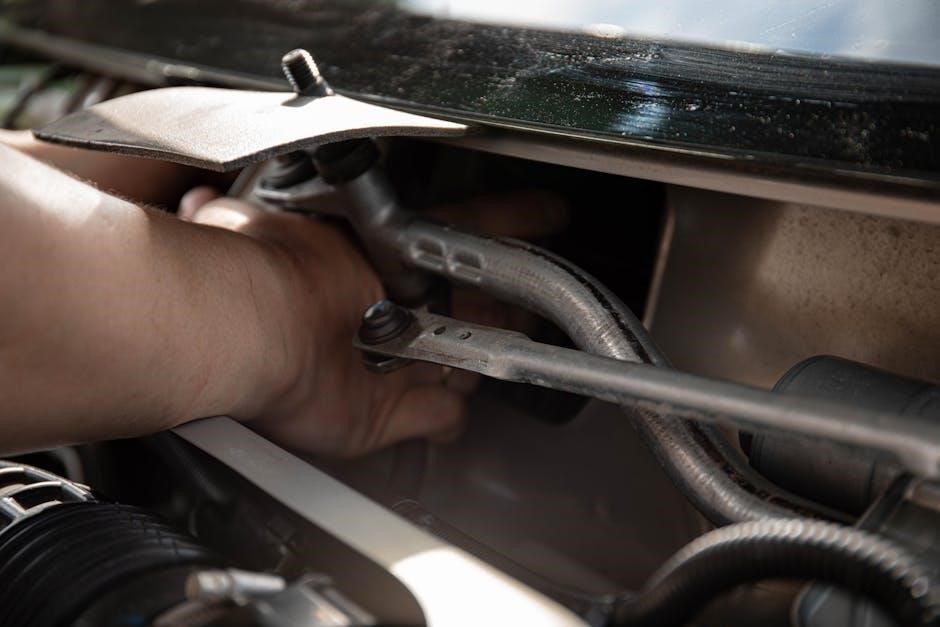
V6 manual cars represent a thrilling intersection of power and driver engagement‚ offering a unique experience increasingly rare in modern automobiles.
These vehicles‚ like the Subaru WRX and Ford Mustang‚ cater to enthusiasts who value control and a direct connection to the driving experience.
What Defines a V6 Manual Car?
A V6 manual car is specifically defined by its powertrain configuration: a V6 engine paired with a manual transmission. The V6 engine‚ characterized by its six cylinders arranged in a “V” shape‚ delivers a balance of power and smoothness often favored for performance applications. Crucially‚ the manual transmission requires the driver to manually select gears using a gear stick and clutch pedal.
This contrasts sharply with automatic transmissions‚ which handle gear changes automatically. Models like the Nissan 370Z and certain Chevrolet Camaro trims exemplify this combination. The presence of a manual gearbox signifies a focus on driver involvement and control‚ offering a more engaging and tactile driving experience than its automatic counterparts. It’s a deliberate choice for enthusiasts.
The Appeal of a Manual Transmission
The enduring appeal of a manual transmission lies in the heightened sense of control it provides to the driver. Unlike automatics‚ manuals demand active participation in the driving process‚ fostering a deeper connection with the vehicle. This direct engagement allows drivers to precisely manage engine RPMs‚ optimizing performance and responsiveness.
Enthusiasts often cite the increased feeling of involvement and the satisfaction of mastering gear changes as key benefits. Furthermore‚ manual transmissions can‚ in some cases‚ offer improved fuel efficiency due to the driver’s ability to select optimal gears. Celebrating “National Stick Shift Day” highlights this passion‚ preserving a driving style becoming increasingly rare in modern cars.
Why Choose a V6 Engine?
Opting for a V6 engine in a manual car delivers a compelling blend of power and smoothness. The V6 configuration‚ with its balanced design‚ inherently reduces vibrations compared to inline engines‚ contributing to a more refined driving experience. This engine type typically provides a substantial power increase over four-cylinder options‚ enhancing acceleration and overall performance.
Models like the Ford Mustang Shelby GT350 demonstrate the V6’s capability‚ offering naturally aspirated power paired with a six-speed manual. The V6’s broader powerband complements the control offered by a manual transmission‚ making it ideal for spirited driving and track use‚ appealing to car enthusiasts seeking a dynamic experience.

Historical Context of V6 Manuals
V6 manual cars gained prominence mid-century‚ offering a performance balance; however‚ automatic transmissions rose in popularity‚ diminishing their prevalence until a recent enthusiast revival.
Early Adoption and Popularity
The initial pairing of V6 engines with manual transmissions occurred during a period where drivers actively participated in the driving experience. Automakers recognized the potential for a compelling blend of smooth power delivery from the V6 configuration and the driver control afforded by a manual gearbox.
Early muscle cars and sporty coupes frequently featured this combination‚ appealing to a demographic that prioritized performance and engagement. The responsiveness of a manual transmission allowed drivers to fully exploit the V6’s capabilities‚ making it a popular choice for those seeking a more connected feel behind the wheel. This era established a foundation for the enduring appeal of V6 manual cars among automotive enthusiasts.
The Decline of Manual Transmissions
The late 1990s and early 2000s witnessed a gradual decline in the availability of manual transmissions across the automotive landscape‚ impacting V6-equipped models as well. This shift was largely driven by consumer preference for the convenience of automatic transmissions‚ coupled with advancements in automatic technology – offering smoother shifts and comparable fuel efficiency.
Automakers responded to market demands‚ prioritizing automatic options and reducing the production of manual variants. While some enthusiasts lamented this trend‚ the practicality and ease of use of automatics proved more appealing to the broader car-buying public. Consequently‚ V6 manual cars became increasingly niche‚ reserved for specific performance models or catering to dedicated enthusiasts.
A Resurgence in Enthusiast Markets
Despite the overall decline‚ a notable resurgence of interest in manual transmissions has emerged within enthusiast markets‚ benefiting certain V6 models. Celebrated annually on National Stick Shift Day‚ this renewed appreciation stems from a desire for a more engaging and connected driving experience. Cars like the Subaru WRX‚ BRZ‚ and Honda Civic Type R continue offering manual options.
This revival is fueled by a growing community of drivers who actively seek out the control and satisfaction that a manual gearbox provides. Automakers have responded‚ albeit cautiously‚ by continuing to offer manual transmissions in select performance vehicles‚ recognizing the loyalty and passion of this dedicated segment.
Popular V6 Manual Car Models
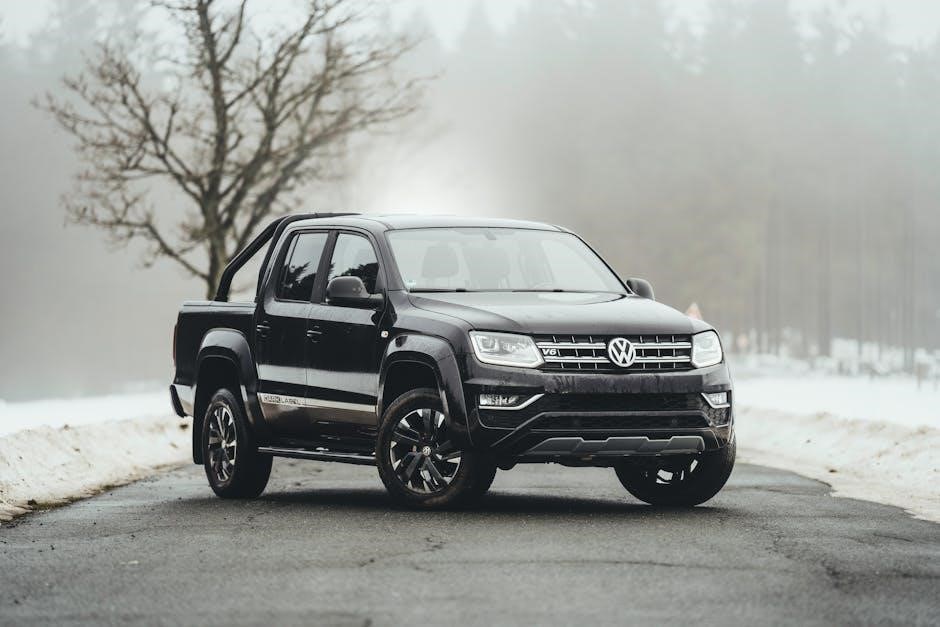
Iconic choices include the Ford Mustang‚ Chevrolet Camaro‚ Dodge Challenger‚ and Nissan 370Z‚ while recent Subaru WRX models also offer engaging manual options.
Ford Mustang (Various Generations)
The Ford Mustang has a long and storied history with manual transmissions‚ particularly when paired with its potent V6 engines across numerous generations. While the V8 often steals the spotlight‚ several Mustang V6 models provided an accessible and enjoyable manual driving experience.
Notably‚ the 2015 Ford Mustang Shelby GT350 50th Anniversary‚ featuring a naturally aspirated V8 and a 6-speed manual‚ exemplifies this legacy. Earlier generations also offered V6 options with manual gearboxes‚ appealing to buyers seeking a balance of performance and affordability. The Mustang’s enduring popularity ensures a robust aftermarket and readily available parts for enthusiasts maintaining these classic combinations.
The availability of a manual transmission in V6 Mustangs has consistently catered to drivers who prioritize engagement and control‚ solidifying its place as a favorite among gearheads.
Chevrolet Camaro (Specific Years)
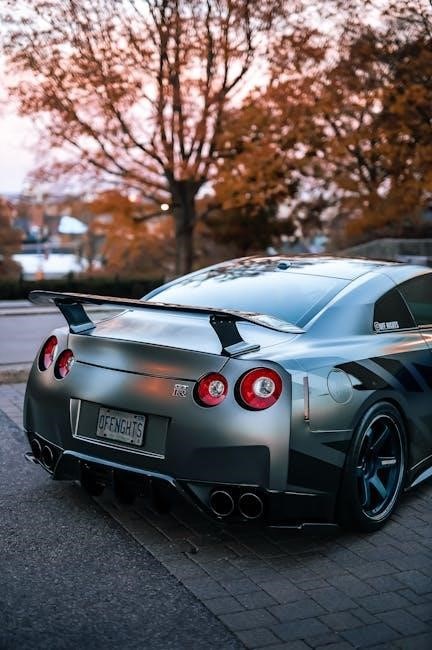
The Chevrolet Camaro‚ much like its Mustang rival‚ has offered compelling V6 manual combinations throughout its history‚ though availability varies significantly by year. Certain generations stand out for enthusiasts seeking this specific powertrain pairing. While details regarding specific years weren’t explicitly provided‚ the Camaro’s performance-oriented image naturally lends itself to the appeal of a manual transmission.
The Camaro’s V6 manual options typically provide a spirited driving experience‚ balancing power with affordability. These models often represent a sweet spot for those wanting a fun-to-drive muscle car without the higher price tag of a V8. Finding information on transmission types (like Getrag or Tremec) within these Camaros is crucial for maintenance and repair.
Camaro V6 manuals remain popular in enthusiast circles‚ offering a rewarding connection to the road.
Dodge Challenger (Available Options)
The Dodge Challenger‚ known for its retro styling and powerful engine choices‚ has historically offered V6 manual transmission options‚ though their availability has fluctuated over the years. While the Hemi V8 often steals the spotlight‚ the V6 manual Challenger provides a distinct and engaging driving experience for those prioritizing control and affordability.
Specific trim levels and model years are key when searching for a Challenger with a manual gearbox. The Challenger’s larger size and weight mean the V6 manual requires more driver involvement to extract maximum performance‚ enhancing the connection to the vehicle.
Enthusiasts appreciate the Challenger V6 manual as a unique offering in the muscle car segment‚ blending classic aesthetics with modern driving dynamics.
Nissan 370Z (A Notable Example)
The Nissan 370Z stands as a particularly celebrated example of a V6 manual car‚ consistently praised for its balanced handling and responsive powertrain. Throughout its production run‚ the 370Z offered a readily available six-speed manual transmission paired with its potent 3.7-liter V6 engine‚ making it a favorite among driving enthusiasts.
The 370Z’s relatively lightweight chassis and rear-wheel-drive configuration further enhance the enjoyment of the manual transmission‚ providing a pure and engaging driving experience. It’s often cited as one of the last truly affordable‚ analog sports cars.
Its enduring popularity within enthusiast communities solidifies its position as a benchmark for V6 manual cars‚ offering a compelling blend of performance and driver involvement.
Subaru WRX (Recent Models)
Recent Subaru WRX models continue the brand’s tradition of offering a compelling V6 manual experience‚ though it’s important to note the current generation utilizes a turbocharged four-cylinder engine‚ not a V6. However‚ the availability of a six-speed manual transmission remains a key draw for enthusiasts.
The WRX’s symmetrical all-wheel-drive system‚ combined with the engaging manual gearbox‚ delivers exceptional control and confidence in various driving conditions. Subaru’s commitment to offering a manual option demonstrates a responsiveness to the desires of its dedicated fanbase.
The WRX tS variant‚ specifically‚ has been highlighted for its enhanced driving dynamics and manual transmission availability‚ solidifying its place among desirable V6 manual alternatives.
Technical Aspects of V6 Manual Transmissions
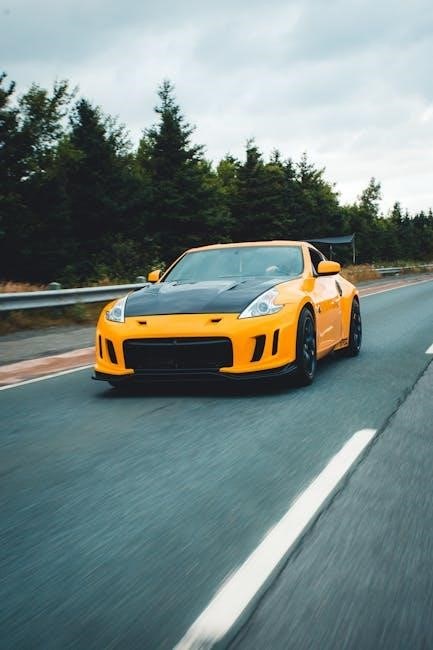
V6 manual transmissions often utilize robust designs from manufacturers like Getrag or Tremec‚ featuring specific gear ratios optimized for performance and clutch mechanisms requiring diligent maintenance.
Common Transmission Types (e.g.‚ Getrag‚ Tremec)
Several manufacturers have historically supplied manual transmissions for V6-powered vehicles‚ with Getrag and Tremec being particularly prominent. Getrag‚ a German engineering company‚ is renowned for producing incredibly durable and precise shifting transmissions‚ frequently found in performance applications like the BMW M3 and various Ford models. Their designs prioritize strength and reliability‚ handling the torque output of V6 engines with ease.
Tremec‚ an American manufacturer‚ also boasts a strong reputation for quality manual transmissions. They are well-known for their T5 and T6060 transmissions‚ often retrofitted into classic muscle cars but also utilized in modern performance vehicles. These transmissions are celebrated for their robust construction and positive shift feel. Volkswagen and Audi models from the late 1990s and early 2000s frequently employed 5-speed manuals designated as 02K‚ showcasing another common transmission type.
Gear Ratios and Their Impact
Gear ratios in a V6 manual transmission profoundly influence a vehicle’s performance characteristics. Lower (numerically higher) gear ratios provide quicker acceleration but reduce top speed and fuel efficiency. Conversely‚ higher (numerically lower) ratios prioritize fuel economy and cruising comfort at the expense of initial acceleration. The optimal ratio spread depends heavily on the engine’s torque curve and the intended use of the vehicle.
For performance-oriented V6 manual cars‚ like the Mustang Shelby GT350‚ closer gear ratios keep the engine within its powerband during spirited driving. This maximizes acceleration and responsiveness. Careful selection ensures efficient power delivery. Matching gear ratios to tire size is also crucial for maintaining accurate speedometer readings and optimal engine operation‚ impacting overall driving dynamics and enjoyment.
Clutch Mechanisms and Maintenance
The clutch is a critical component in any V6 manual car‚ facilitating smooth gear changes and power transfer. Common mechanisms include hydraulic and cable-operated systems‚ each with unique maintenance needs. Hydraulic systems require periodic fluid checks and potential master/slave cylinder replacement‚ while cable systems need cable adjustment and lubrication. Regular inspection for wear and tear is vital.
Proper clutch operation relies on a healthy pressure plate‚ throw-out bearing‚ and friction disc. Symptoms of clutch failure include slipping‚ shuddering‚ or difficulty engaging gears. Preventative maintenance‚ such as avoiding “riding” the clutch‚ extends its lifespan. Ignoring clutch issues can lead to more extensive and costly transmission repairs‚ impacting the driving experience significantly.

Driving Experience and Benefits
V6 manual cars deliver heightened driver control‚ a more immersive connection‚ and potential fuel efficiency gains through precise gear selection and engine management.
Enhanced Driver Control
The core appeal of a V6 manual car lies in the unparalleled level of control it affords the driver. Unlike automatic transmissions‚ a manual system places gear selection directly in the hands of the operator‚ allowing for precise responses to changing road conditions and driving preferences.
This direct mechanical link fosters a more intimate connection with the vehicle‚ enabling drivers to confidently navigate winding roads‚ execute spirited acceleration‚ and even manage engine braking with greater finesse. The ability to choose the optimal gear for any situation translates to a more engaging and rewarding driving experience‚ particularly when paired with the robust power delivery of a V6 engine.
Essentially‚ a manual transmission transforms the driver from a passenger into an active participant in the driving process‚ maximizing control and responsiveness.
Increased Fuel Efficiency (Potential)
While modern automatic transmissions have narrowed the gap‚ a V6 manual car can offer improved fuel efficiency‚ though this is heavily dependent on driver skill and driving style. A skilled driver can maintain optimal engine RPMs‚ selecting gears that maximize efficiency for given speeds and loads.
Unlike automatics which sometimes ‘hunt’ for the right gear‚ a manual allows precise control‚ avoiding unnecessary revving. However‚ aggressive driving or improper shifting negates this benefit. Older automatic designs were significantly less efficient‚ but contemporary automatics with many gears often rival or even surpass manual efficiency.
Ultimately‚ the potential for better mileage exists‚ but it requires conscious effort and a refined driving technique to fully realize.
Greater Connection to the Vehicle
A V6 manual car fosters a uniquely intimate driving experience‚ creating a greater connection between driver and machine. The act of physically selecting gears demands active participation‚ transforming driving from a passive activity into an engaging‚ tactile experience.
This direct involvement enhances awareness of the engine’s powerband‚ allowing drivers to intuitively understand and respond to the vehicle’s dynamics. It’s a feeling often lost in the seamless‚ but detached‚ operation of automatic transmissions.
For enthusiasts‚ this heightened sense of control and feedback isn’t just about performance; it’s about truly feeling the car and becoming one with the road.

Maintenance and Repair Considerations
V6 manual cars require diligent upkeep‚ including clutch checks‚ transmission fluid changes‚ and careful attention to shifter linkage for optimal performance and longevity.
Common Issues with V6 Manual Transmissions
V6 manual transmissions‚ while robust‚ aren’t immune to problems. Synchro wear is a frequent concern‚ manifesting as difficulty shifting into specific gears‚ often most noticeable in second or third. Clutch failure‚ stemming from aggressive driving or simply age‚ is another common issue‚ presenting as slippage or difficulty engaging.
Internal damage‚ like chipped gears‚ can occur from misuse or lack of proper lubrication. Identifying the transmission type (e.g.‚ Getrag‚ Tremec) is crucial‚ as parts availability and repair procedures vary. Worn shift linkage can lead to imprecise shifting‚ while leaks from seals require prompt attention to prevent fluid loss and potential damage. Regular inspections and preventative maintenance are key to mitigating these issues and extending the transmission’s lifespan.
Regular Maintenance Schedule
Maintaining a V6 manual transmission requires a proactive approach. Every 30‚000 miles‚ inspect and potentially replace the transmission fluid‚ using the manufacturer’s recommended type. Simultaneously‚ check the clutch master and slave cylinders for leaks and proper operation.
Inspect shift linkage for wear and adjust as needed every 15‚000 miles. A thorough inspection of the clutch disc and pressure plate should occur around 60‚000 miles‚ or sooner with aggressive driving. Regularly check for any unusual noises during shifting. Don’t neglect the simple step of keeping the shift linkage properly lubricated. Following this schedule helps prevent costly repairs and ensures smooth‚ reliable operation for years to come.
Finding Qualified Mechanics
Locating a mechanic experienced with V6 manual transmissions is crucial. Not all shops possess the specialized knowledge required for accurate diagnosis and repair. Seek out technicians familiar with specific transmission types like Getrag or Tremec‚ commonly found in performance vehicles.
Online forums and enthusiast communities are excellent resources for recommendations. Look for shops specializing in European or Japanese performance cars‚ as they often have broader manual transmission expertise. Verify certifications and ask about their experience with clutch replacements‚ synchro repairs‚ and transmission rebuilds. A skilled mechanic will understand the nuances of these systems‚ ensuring your car receives the best possible care.
The Future of V6 Manual Cars

V6 manual cars face an uncertain future‚ yet enthusiast demand and potential hybrid/electric integrations offer a glimmer of hope for their continued existence.
Market Trends and Predictions
Currently‚ the automotive market demonstrates a clear preference for automatic transmissions‚ significantly impacting the availability of manual options‚ including those paired with V6 engines. However‚ a dedicated niche of enthusiasts actively seeks out these vehicles‚ creating sustained‚ albeit smaller‚ demand.
Predictions suggest that V6 manual cars will likely become increasingly rare‚ potentially transitioning into collector’s items or limited-edition models. Manufacturers may continue offering them to satisfy this core group‚ but widespread availability is unlikely.
Interestingly‚ the rise of electric vehicles presents a potential‚ albeit unconventional‚ avenue for manual transmissions. Some speculate about simulated manual modes in EVs‚ offering a similar driving experience. Whether this will materialize and appeal to purists remains to be seen‚ but it represents a possible future direction.
The Role of Enthusiast Communities
Enthusiast communities play a vital role in preserving the legacy of V6 manual cars. Online forums‚ car clubs‚ and social media groups provide platforms for owners to connect‚ share knowledge‚ and support each other. These communities actively promote the enjoyment of driving these vehicles and advocate for their continued production‚ however limited.
They also serve as valuable resources for maintenance‚ repair‚ and modification‚ often pooling collective expertise to overcome challenges related to aging components or specialized parts.
Furthermore‚ enthusiast events‚ such as car meets and track days‚ foster a sense of camaraderie and demonstrate the enduring appeal of the V6 manual driving experience‚ helping to keep the passion alive for future generations.
Potential for Hybrid/Electric V6 Manuals
The future may hold a surprising twist: hybrid or even fully electric vehicles offered with a manual transmission‚ potentially paired with a V6 motor configuration. While seemingly counterintuitive‚ the appeal of driver engagement could drive demand. Manufacturers might utilize software to simulate a manual feel‚ offering selectable gear ratios and enhanced control.
Such a system could blend the efficiency of electric powertrains with the satisfying experience of a manual gearbox.
However‚ significant engineering challenges exist‚ including managing torque delivery and replicating the tactile feedback of a traditional clutch. Despite these hurdles‚ the enthusiast demand could incentivize innovation‚ potentially reviving the V6 manual in a new‚ electrified form.